

Radmoor Is 50
During the 2018-19 academic year, Montessori Radmoor School celebrated 50 years of providing Montessori education to children and families in Okemos and the greater Lansing area.
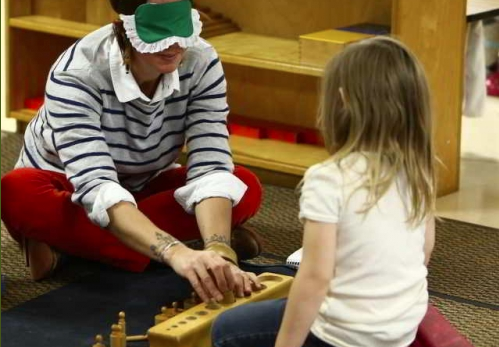
Our Teachers
"The greatest sign of success for a teacher... is to be able to say, 'The children are now working as if I did not exist.' " Maria Montessori
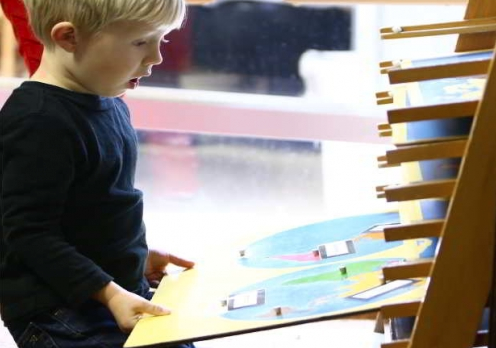
Our Classroom
“If education is always to be conceived along the same antiquated lines of a mere transmission of knowledge, there is little to be hoped from it in the bettering of man's future.” Maria Montessori
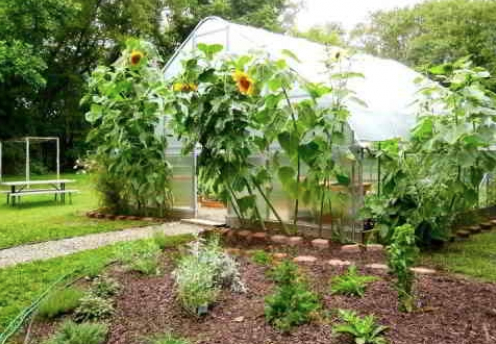
Our Facilities
"Free the child's potential, and you will transform him into the world." Maria Montessori
The Beauty of Montessori
“And so we discovered that education is not something which the teacher does, but that it is a natural process which develops spontaneously in the human being.” Maria Montessori